
Indian Diabetes Diet Plan in Pune - Case Study by Dietitian Ria Hawle
As of writing this case study, we at Balanced Bowls, Pune are confident in saying Diabetes is one of the most common lifestyle disorders. This disease affects people of all ages including young adults, senior citizens and both male and female.
It is important to note that, to manage diabetes properly, only following the medications is not a solution. Instead, it also needs a well balanced and customized diet plan under the supervision of any clinical dietitian or nutritionist. This is a case study report of Indian Diabetes diet plan of a patient at Balanced Bowls, Pune.
The case was handled by our diabetes dietitian in Pune – Dt. Ria Hawle. In this case study, we’ll explore how a customized diabetes friendly diet plan helped one of her diabetic clients achieve remarkable blood sugar control, improved energy levels, and sustainable lifestyle changes.
As a supporting proofs, we have attached various case papers screenshots, pathology lab reports of the patient with name anonymized.
The intention of this case study is to let the audience know how a disease reversal customized diet plan works at Balanced Bowls, Pune. So, let’s get started with a introduction about our diabetes patient.
Diabetic Patient Profile
Below is the profile of our diabetic patient. Please note, the various body parameters such as BMI, weight were measured before starting the diabetes diet plan in Pune.
Patient Information
- Name : Ravikumar T (Name changed for privacy reasons)
- Age : 65 years
- Hometown Place : Warje, Pune
- City located : Pune
- Community : Maharashtrian
Anthropometric - Height : 165 cm
- Weight : 48.6 kgs
- IBW : 54.4 kgs
- TBW : 51 kgs
- BMI : 17.8 kg/m
- Fluid Intake : 1.5 Litres per day
- Known Allergies : None
The primary goals of this diabetic patient from our diabetes reversal Indian diet plan were to maintain optimal blood glucose levels. But in addition, he mentioned an urge to improve digestion, gut health, preserve muscles.
Medical history of the patient
Mr. Ravikumar has a long history of Type 2 Diabetes Mellitus. He was initially diagnosed with diabetes mellitus in year 1997–98.
Later, he had to start with Insulin therapy to manage his diabetes since 2014–15. As a result of uncontrolled diabetes, he has developed multiple diabetes-related and systemic complications.
This includes including coronary artery disease (CAD), peripheral neuropathy, hypothyroidism, and early diabetic retinopathy.
The diabetic patient also faced issues such as hyperglycemia (TIA involving the MCA). He always felt as having low energy levels.
Medications & Supplement History of Patient
The patient was taking comprehensive medications to address his multiple chronic conditions such as diabetes, hypothyroidism, cardiovascular disease, and peripheral neuropathy.
The medication treatment plan was prescribed with a goal to stabilize blood glucose levels, support thyroid function, improve insulin sensitivity, protect cardiac health, and enhance nerve function. Below are the details of medicines he was taking –
View Detailed Medication History
- Thyronorm 25 mcg (OD – once daily)
→ Synthetic thyroid hormone (T4)
→ Corrects hypothyroidism, improves metabolism and energy levels. - Triglimisave 1 mg (Before Breakfast)
→ Combination of SGLT2 inhibitor + DPP4 inhibitor
→ Increases urinary glucose excretion and enhances insulin secretion by preserving incretin hormones. - Vysor M 50/500 mg (0-1-1)
→ Vildagliptin + Metformin
→ Improves insulin sensitivity and reduces liver glucose production. - Ecosprin 75 mg (After lunch – 0-1-0)
→ Low-dose aspirin (antiplatelet)
→ Prevents clot formation and reduces risk of cardiovascular events. - Atorvastatin + Clopitab (0-0-1 – After dinner)
→ Statin + Antiplatelet
→ Lowers LDL cholesterol and prevents platelet aggregation (post-angioplasty protection). Note: Discontinued due to cutaneous hemorrhages (skin bleeding over hand) suspected as side effect. - Nurokind Fast Strip (At bedtime)
→ Methylcobalamin + B vitamins
→ Supports nerve health and helps manage diabetic peripheral neuropathy. Note: Discontinued due to elevated serum Vitamin B12 levels.
Complaints of Patient Before Starting Diabetes Diet Plan
Before starting the Indian diabetes diet plan by Diabetes Specialist Dietitian Ria Hawle in Pune, the client was facing multiple health concerns. These issues were affecting his overall well being and daily functioning.
The problems were mainly related to gastrointestinal issues such as constipation, bloating, gas, irregular motions, and post-meal cravings, along.
He also had energy-related issues like fatigue, low stamina, and afternoon hunger pangs. Below full list of issues were noted down by Dt. Ria Hawle at the start of diet plan.
- Tingling in feet (neuropathy)
- SOB on exertion
- Constipation – 3 to 4 days
- Sweet cravings post-lunch
- Fatigue, low energy throughout day
- Hunger pangs between 4 to 6 PM
- Nocturia – 5 to 6 times/night
- Right shoulder pain
- Mild bloating
- Gases – especially after raw radish / sprouts
- Diarrhoea, irregular motions
- Toenail fungal infection – post fall 10 yrs back
Patient State Before Starting the Diet Plan
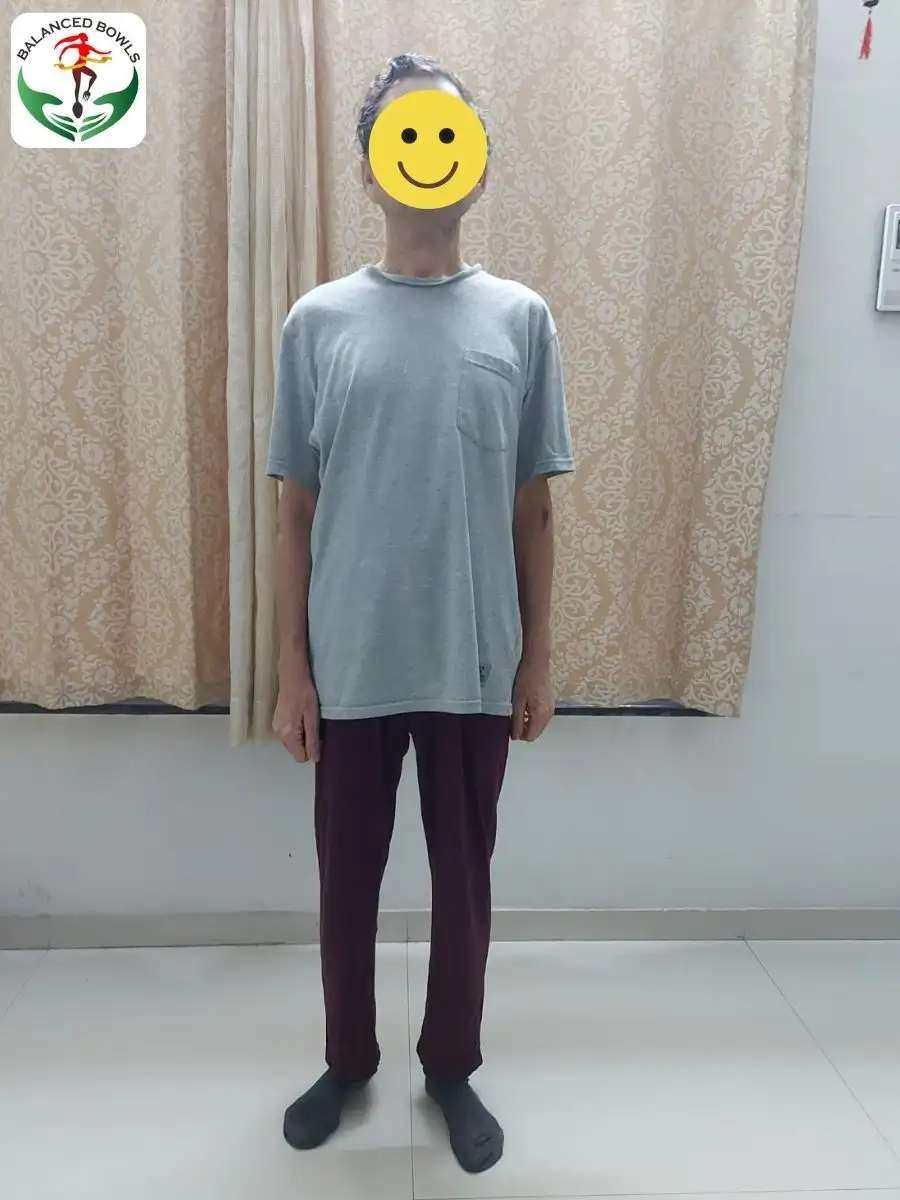
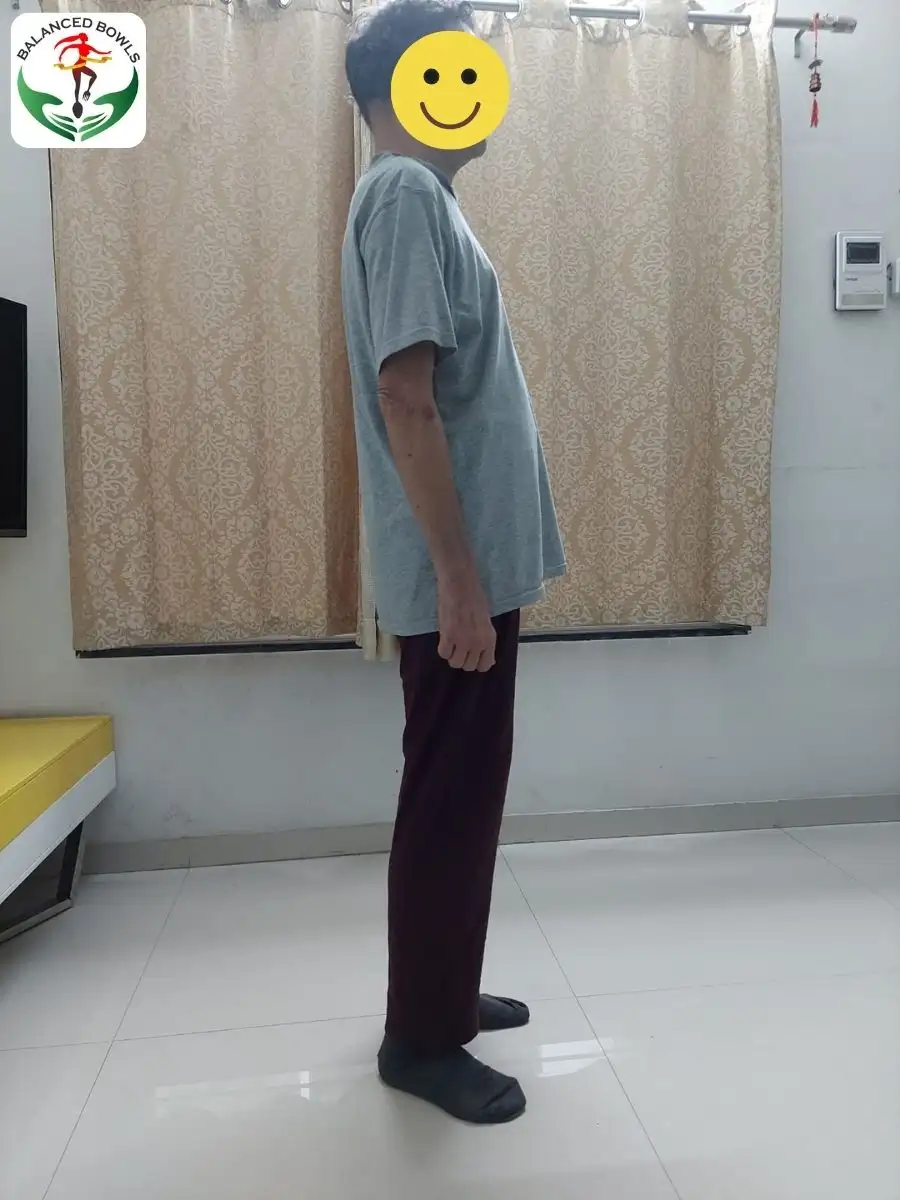
Below the patient photos before the patient starts with the diet plan.
Below are the notes taken by Dt. Ria Hawle that clearly explains the patient state, his health parameters before the diet plan starts.
- Patient presents with multiple chronic symptoms which suggest that patient has developed diabetic complications and metabolic imbalance.
- Tingling in feet indicates peripheral neuropathy. Shortness of breath on exertion may reflect reduced cardiovascular or muscular endurance.
- GI symptoms including bloating, gas, constipation (3–4 days), and irregular motions suggest sluggish digestion and possible gut dysbiosis.
- Sweet cravings post-lunch, afternoon hunger pangs (4–6 PM), and persistent fatigue reflect unstable glucose-insulin dynamics, possibly insulin-induced dips.
- Nocturia (5–6 times/night) is likely due to poor glycemic control and may be disrupting sleep and recovery. Right shoulder pain could be linked to frozen shoulder or diabetic musculoskeletal stiffness.
- Fungal toenail infection (post trauma, 10 years back) remains unresolved, potentially worsened by peripheral circulation issues.
As you can see in the above assessment process, we have ensured that we have understood the patient condition properly before we craft the right diet for him.
So, its not guesswork, it’s science backed diet plans by clinical dietitians.
Diabetes Diet Chart Planning by Dietitian Ria Hawle

Below planning was done by Dt. Ria Hawle for crafting the customized Indian diabetes reversal diet plan in Pune for the diabetic patient. As you can see, Dietitian Ria has considered all vital nutrients in her diet planning which includes Calories, protein, good fats and fiber intake.
| Parameter | Target Range | Clinical Reasoning |
|---|---|---|
| Calories | 1800 kcal/day | Slightly below estimated TDEE (~1850 kcal) to help control blood glucose while avoiding further unintentional weight loss. |
| Protein | 65–70 g/day (1.3–1.5 g/kg) | Higher protein to support nerve repair, preserve lean muscle mass, and reduce risk of sarcopenia in a geriatric patient. |
| Carbohydrates | 200–210 g/day (~45–50%) | Complex, low-GI carbohydrates spaced across meals and snacks to stabilize postprandial glucose and reduce hypoglycemia risk. |
| Fat | 50–55 g/day (~25–30%) | Emphasis on unsaturated fats from nuts, seeds, and cold-pressed oils; small amount of ghee for satiety and nutrient absorption—heart-protective choices given CAD history. |
| Fiber | 30–35 g/day | Combination of soluble and insoluble fiber to improve glycemic response, support gut motility (relieve constipation), and foster healthy microbiome. |
Indian Diabetes Diet Plan - Session 1 - 09 July 2025 - 19 July 2025
The glucose chart dated 24 April 2025 shows severe hyperglycemia throughout the day (319–362 mg/dL), indicating poor glycemic control and insulin–carb mismatch.
On 08th July 2025, the patient was initiated on a structured medical nutrition therapy comprising 1800–1900 kcal/day with a targeted carbohydrate intake of ~200 grams, aligned with the ongoing insulin regimen (11 units before breakfast, 8 units before dinner).
The carbohydrate distribution was planned as follows: 60 g at breakfast, 15 g mid-morning, 60 g at lunch, 15 g in the evening, and 50 g at dinner.
Vitals on 18th July 2025 checked by Patient with his Personal Doctor
Blood Pressure: 166/92 mmHg (post stair climbing) – elevated, consistent with Stage II Hypertension.
Pulse Rate: 100 bpm – may indicate autonomic dysfunction or medication-related effect.
Weight: 49.2 kg – showing improvement from 47.9 kg (09 July 2025) to 49.2 kg (18 July 2025).
BMI: ~18.9 kg/m² – within lower normal range.
Clinical Insight: The 1.3 kg weight gain suggests improved dietary intake and better glycemic control under the current nutrition plan.
Interim Change Made: We initiated follow ups every 10 days instead of 15 days.
Indian Diabetes Diet Plan - Further Sessions
Multiple diet sessions were conducted later by Dt. Ria Hawle with the patient. Below are the timelines –
- Diet Session 2 – 23rd July 2025
- Diet Session 3 – 2nd Aug 2025
- Diet Session 4 – 25th Aug 2025
- Diet Session 4 – 10th Sep 2025
The Final Diet Session 6 - 26th September 2025
Observations
- Glycemia: Stable 15 days; mild hypo 63–80 mg/dl; no hyperglycemia/Somogyi.
- Symptoms: No neuropathy pain; good energy; normal bowel habits; weight stable with continued abdominal fat loss.
- Medications: Insulin regimen unchanged (review due 3 Oct 2025); Duloxetine stopped.
Action Plan After Diet Session 6
- Continue current diet & bedtime fiber-protein snack, regular SMBG.
- Repeat HbA1c/FBG/PPG, ECG, 2-D Echo.
- Reassess insulin dose at next visit.
Clinical Events Timeline
| Date | Event |
|---|---|
| 30 Sep 2025 | FBG – 121 mg/dL, Post-breakfast (PPBF) – 130 mg/dL, Pre-lunch (PREL) – 154 mg/dL, Post-lunch (PPL) – 152 mg/dL |
| 02 Oct 2025 | Routine check-up; ECG showed abnormal rhythms. |
| 03 Oct 2025 | Treadmill Test (TMT) – Positive for exercise-induced ischemia. Echocardiography: mild concentric LVH, limited posterior subendocardial injury, Grade I LV diastolic dysfunction; LVEF 60%. |
| 06 Oct 2025 | Coronary angiography revealed 95% stenosis; PTCA performed successfully. |
| 08 Oct 2025 | Discharged from hospital; post-PTCA recovery uneventful. |
| 15 Oct 2025 | Follow-up review for nutrition and metabolic stability. |
Final Follow-up with Client on 1-11-2025
Medication Changes
- Medications same no change.
- Added post PTCA – Novastat 20 mg 0-0-1 [for 2 months].
- Rx Jarrow Formula’s Red Yeast Rice + Coq10 1200/100 mg [once a day post Fat meal – Lunch or Dinner]. Syp.
Lactulose [1 tsp HS] for first 15 days > After 15 days natural castor oil therapy + ½ tsp ghee.
Improvements Seen
- No constipation, good energy levels, no tingling feet at night, gases passed only twice – thrice, foul smelling [Trigger – mix sprouts + yogurt]
- No anxiety issues.
Results After Indian Diabetes Diet Plan
And here is our diabetic patient photos after he has followed the diabetes diet plan under guidance of Diabetes dietitian in Pune – Dt. Ria Hawle.
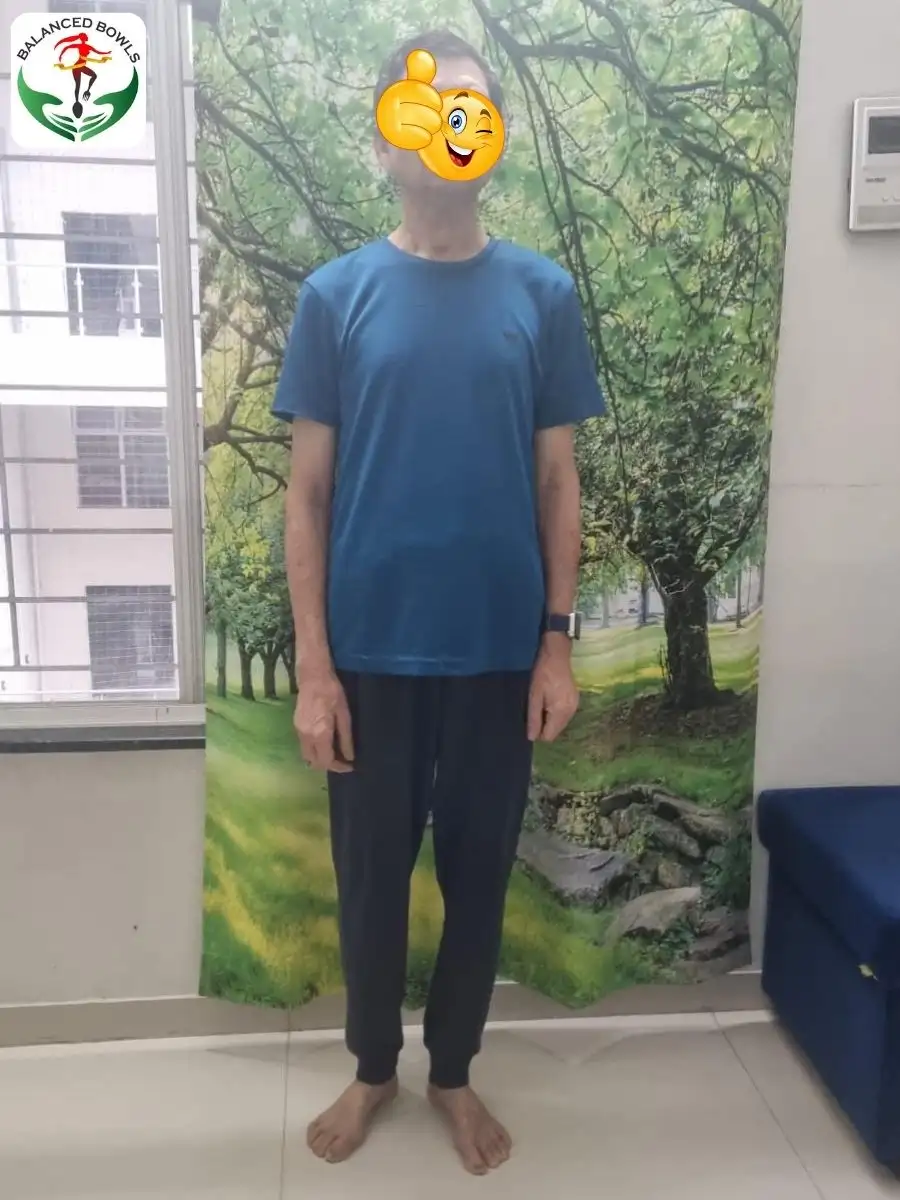
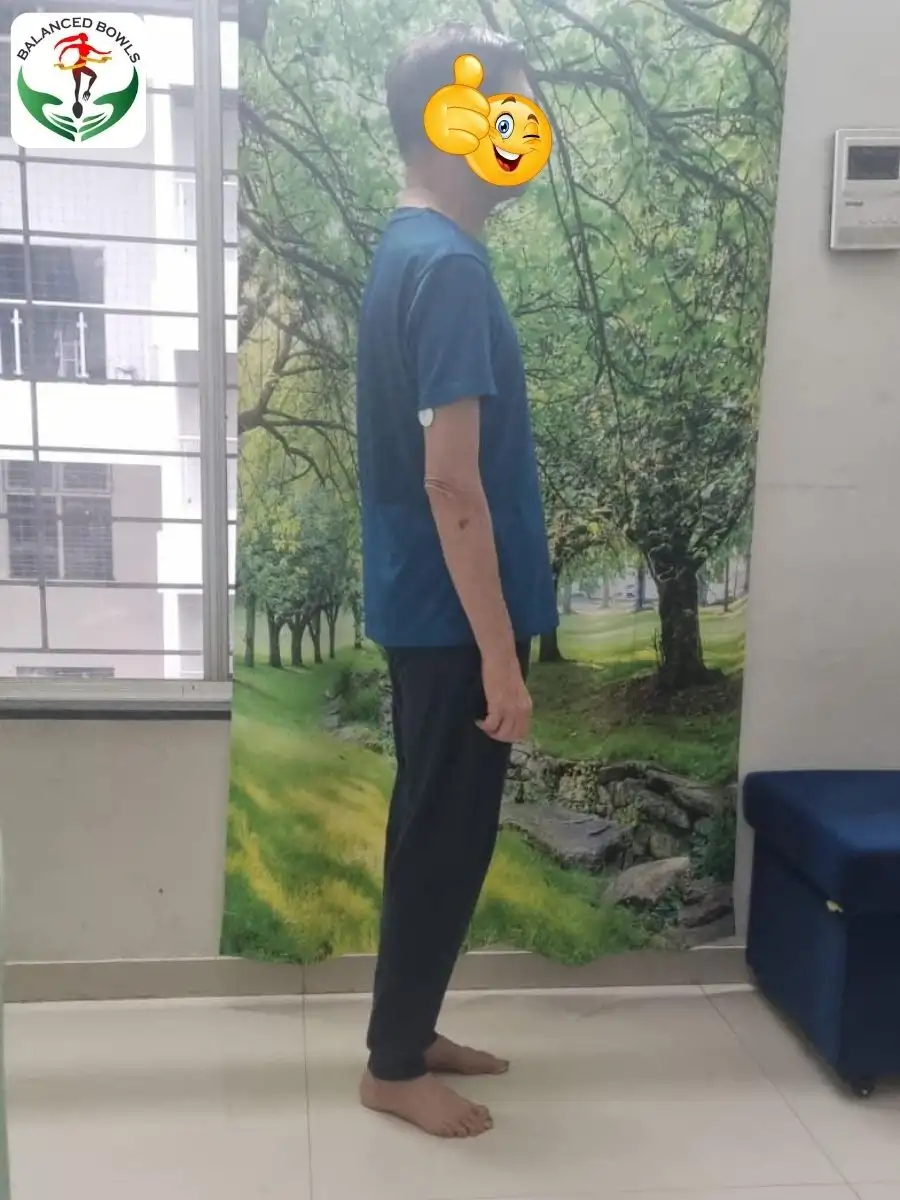
And below are actual pathology lab results taken after he has done with diet plan.
Biochemical Parameters Before & After Diet Plan
| Biochemical Parameters | Before (29 June 2025) | After (01 October 2025) |
|---|---|---|
| HbA1c | 11.40% | 7.40% |
| FBG | 189–200 mg/dL | 110–145 mg/dL |
| PP | 250–270 mg/dL | 156 mg/dL |
| Triglycerides (TG) | 183 mg/dL | 89 mg/dL |
| HDL | 31.8 mg/dL | 45 mg/dL |
| LDL | 86.9 mg/dL | 70.3 mg/dL |
| Total Cholesterol / HDL Ratio (TC/HDL) | 4.12 | 2.96 |
| Vitamin D | 30.8 ng/mL | 26.3 ng/mL |
| Vitamin B12 | 1472 pg/mL | 954 pg/mL |
| TSH | 6.99 µIU/mL | 7.94 µIU/mL |
| TT3 | 96.40 ng/dL | 102 ng/dL |
| TT4 | 7.16 ng/dL | 9.0 ng/dL |
| Ferritin | 91 ng/mL | 30.1 ng/mL |
| Iron Saturation | 25.35% | 15.53% |
| CBC | Hb 11.9, WBC 6.1, Platelets 217 | Hb 14.6, WBC 7.3, Platelets 241 |
| Urine Routine (URM) | Glucose + | Clear |
Diabetes Medicines Comparison Before & After Diet Plan
| Medication Name | Dosage Before Diet | Dosage After Diet | Time Period |
|---|---|---|---|
| Insulin (Huminsulin 30/70) | 11 + 8 Units | 10 + 6 Units | Reduced within 15 days |
| Gliclazide MR | 80 mg (1–0–0) | 30 mg (1–0–0) | 50 mg Dose reduced |
| Imezemic | 500 mg (1–0–0) | Stopped | Stopped within 15 days |
| Duloxetine | 20 mg (0–0–1) | Stopped | Stopped within 2 months |
| Thyronorm | 37.5 µg | 62.5 µg | Increased |
| Empagliflozin + Sitagliptin | 10/100 mg (0–1–0) | Continued | — |
| Ecosprin 75 mg | 0–1–0 | Continued | — |
| Brillinta 90 mg | — | Added after breakfast | Newly added |
Vitals Measurements Before & After Indian Diabetes Diet Plan
| Vitals | Before [July 2025] | After [Nov 2025] |
|---|---|---|
| BP | 166/92 mmHg | 110/52 mmHg |
| SPO₂ | 100% | 100% |
| Pulse Rate | 86 bpm | 83 bpm |
| LVEF | 45% (post PTCA) | 60% (post PTCA) |
Real Meal Plates of Patient in Diabetes Diet Plan
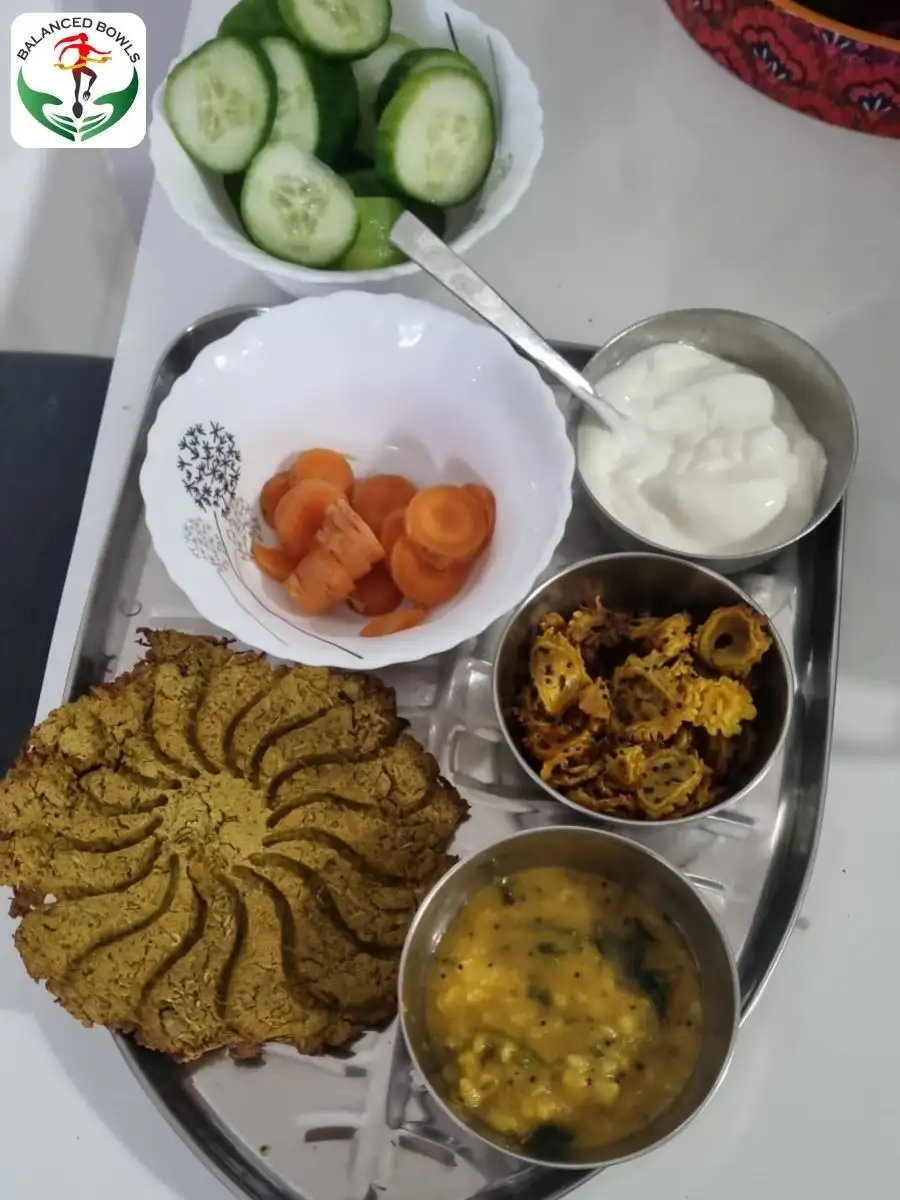
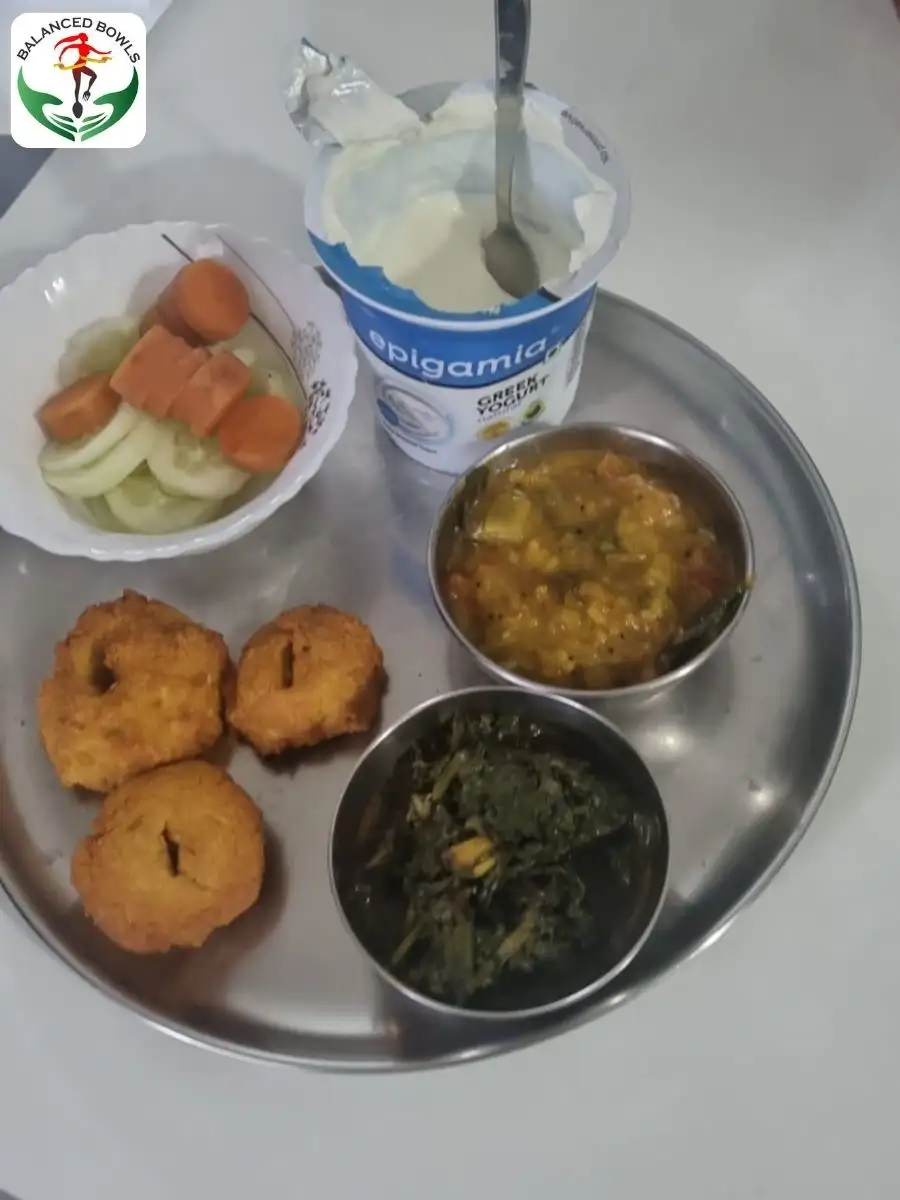
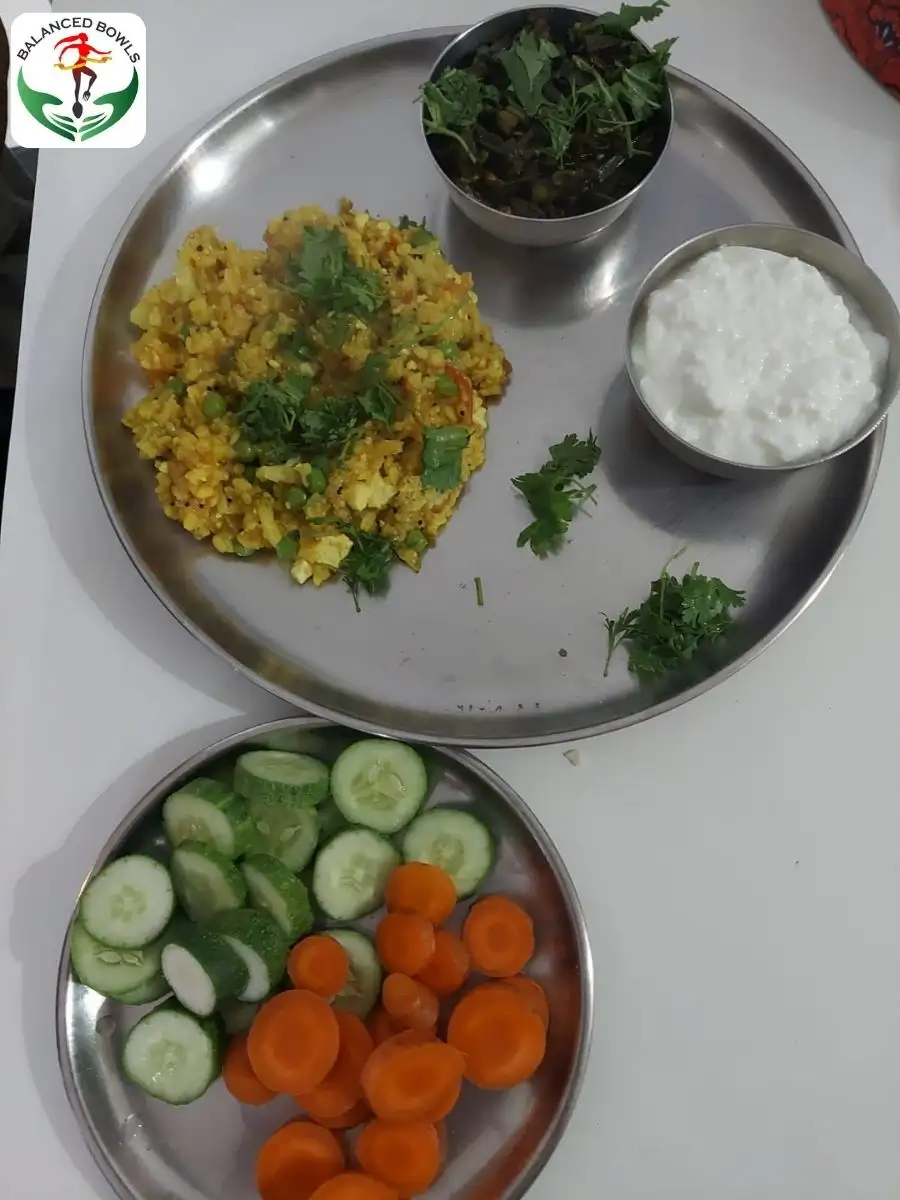
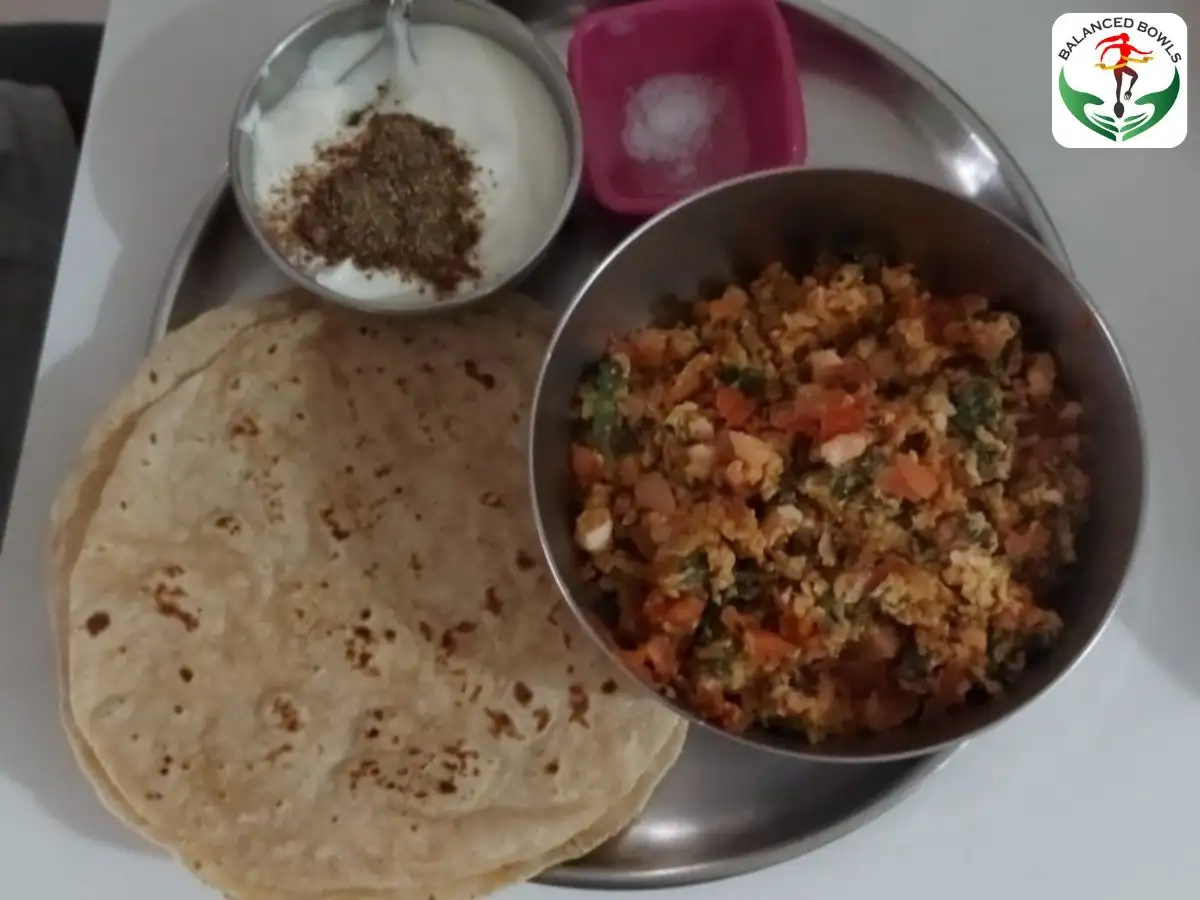
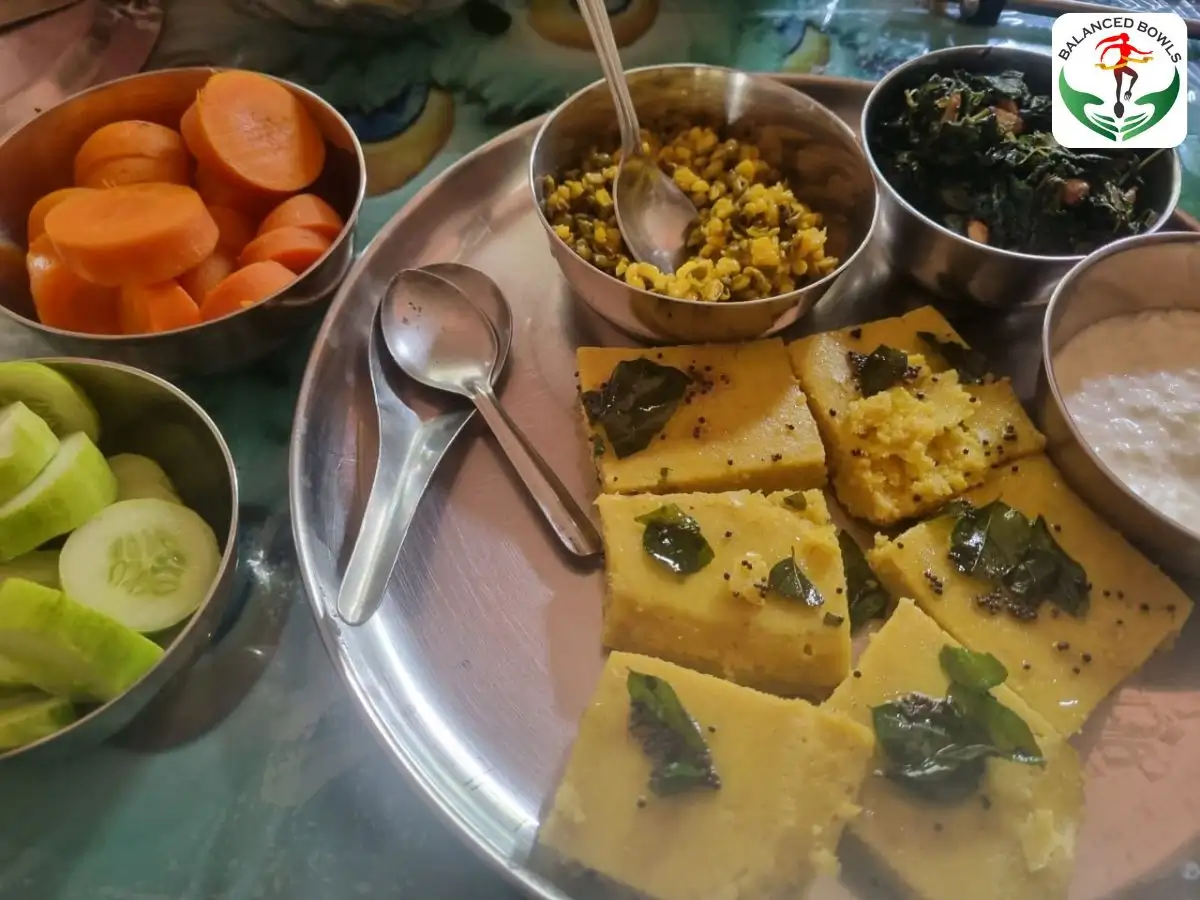
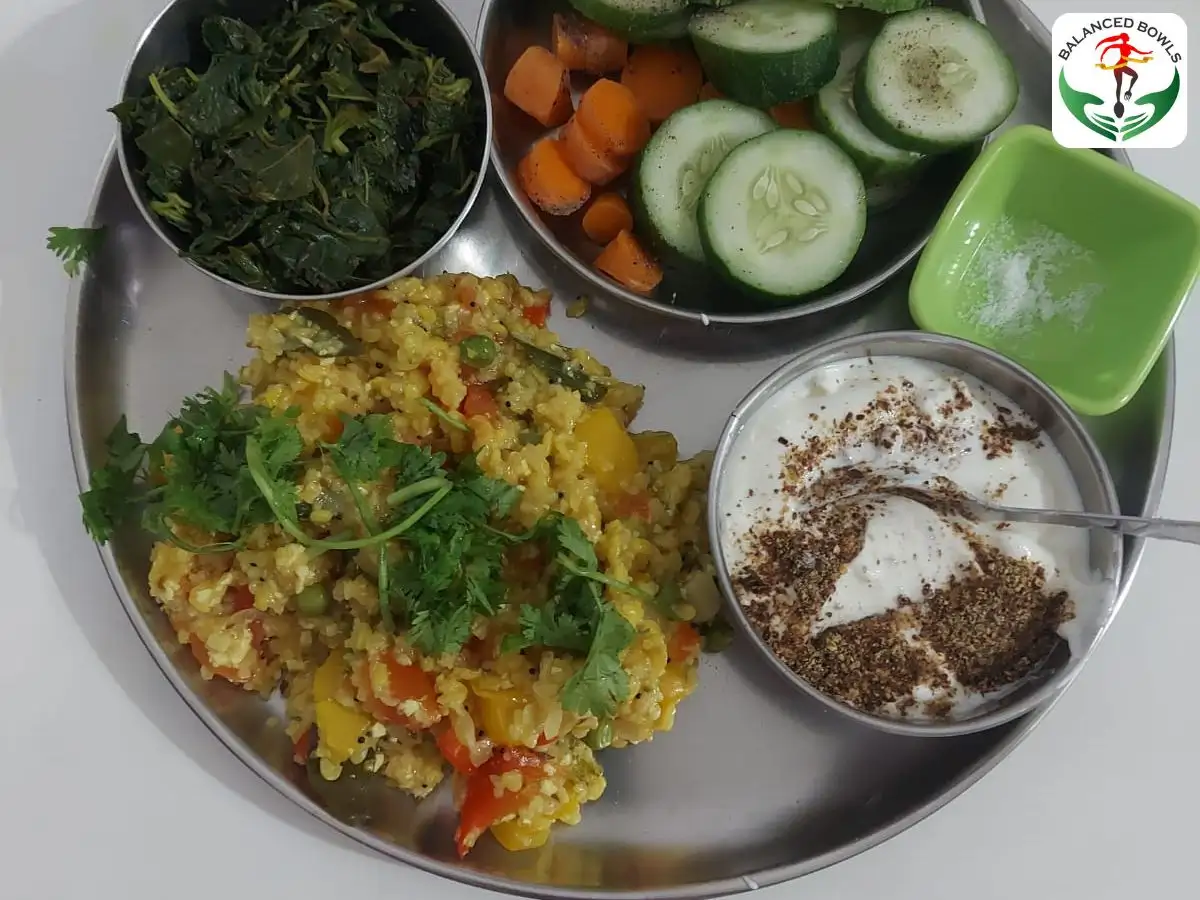
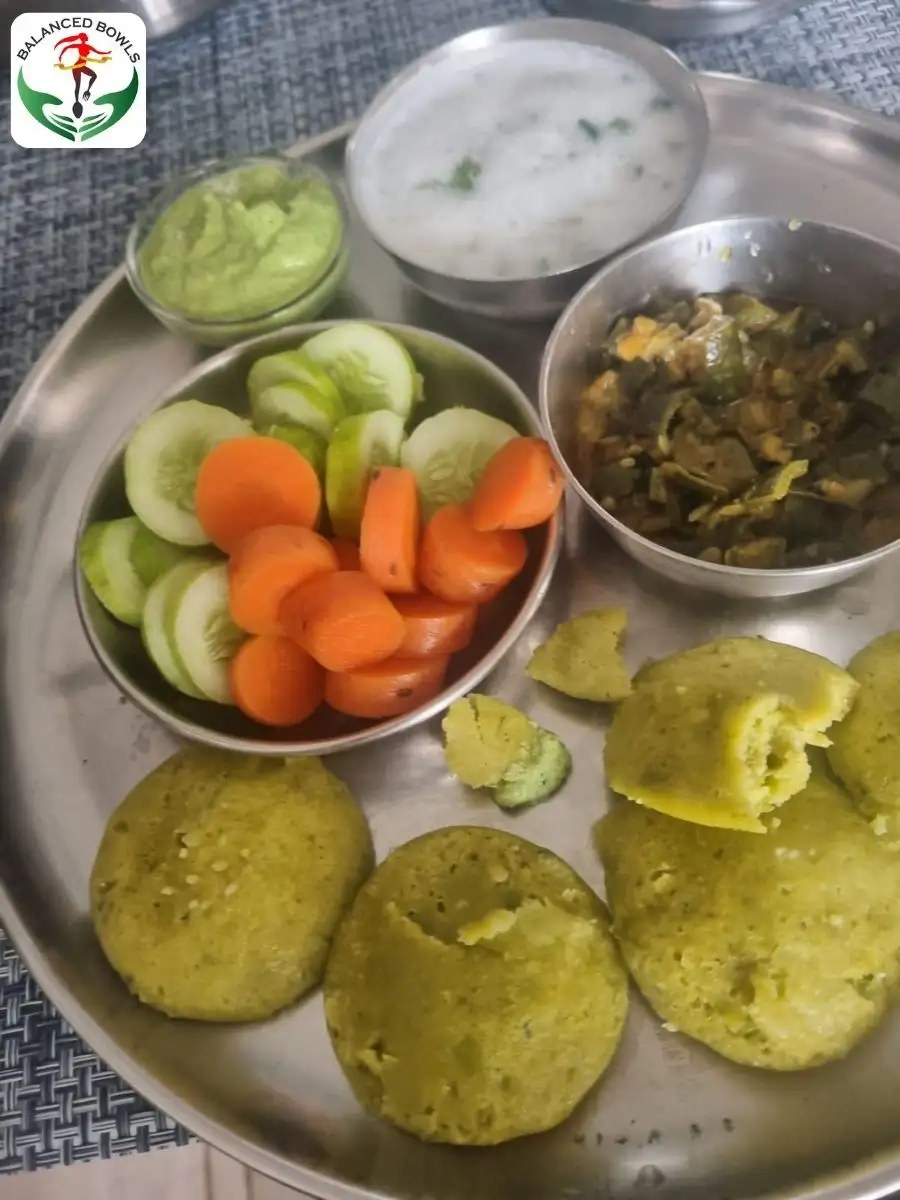
Below are the real photos of meal plates shared by client with Dt. Ria Hawle. All these meal recipes, ingredients are as guided by Dt. Ria Hawle.
As you can see in the photos, all the dishes are home made with easily available ingredients. In the below photos, you will see dish photos –
- Jowar Moong dal dhokla
- Wheat rotis + Tofu Egg mixed bhurji with lots of veggies + Greek yogurt with flaxseed powder
- Salad + Jowar Thalipeeth + Dal + Greek yogurt + karela Sabji
- Salad + Daliya paneer veg khichdi+ yogurt with jeera powder and flaxseeds powder + GLV – Dinner
- Salad + Greek yogurt + GLV + Low carb Medu Wada + thick sambar with vegs
Conclusion - Indian Diabetes Diet Plan Case Study
This case study demonstrates how a personalized Indian diabetes diet plan crafted by specialist clinical dietitian in Pune can help reverse diabetes symptoms.
His HbA1c levels dropped from 11.4% to 7.4%. The patient has seen very good improvements in lipid profile, energy levels, digestion, and sleep quality. The need for insulin therapy and oral hypoglycemic agents was reduced, and symptoms like neuropathy, bloating, constipation, acidity, and fatigue showed notable recovery.
Under the expert guidance of top clinical dietitian in Pune, Dt. Ria Hawle, the integration of medical nutrition therapy, lifestyle modification, and supplement optimization has not only stabilized diabetes but also enhanced the patient’s quality of life.
Dt. Ria Hawle - Best Clinical Dietitian in Pune


Dt. Ria Hawle – a best dietitian in Pune is the driving force behind Balanced Bowls, brings a wealth of expertise and compassion to her practice.



Need Online Dietitian Consultation in India or Outside India ?
If you need any help or need online dietitian consultation in India, book an appointment with Dietitian Ria Hawle by filling up below form.
Get 20% off on all diet plans of Dietitian Ria Hawle if you book using below form. So, why wait? Get healthy with our best offline & online dietitian consultation plans now!
Get Flat 20% Off - Book Appointment Now
Ready to take control of your health journey? Get 20% off with dietitian consultation with Dt. Ria Hawle.
Book your personalized appointment today and start your path to wellness with Balanced Bowls now!